
The First Gig
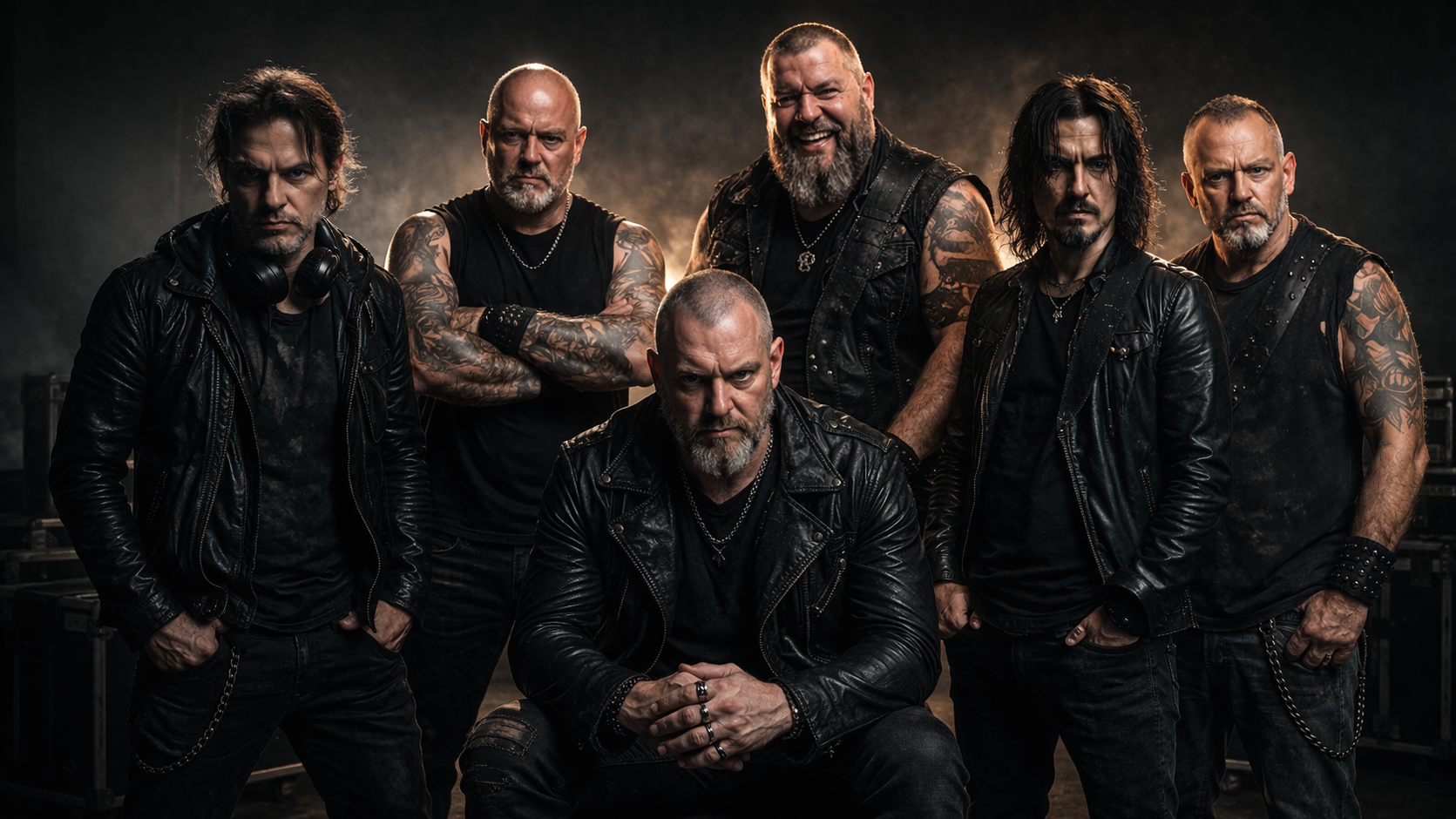
That Night in Leeds
There are gigs you remember because they were big.
There are gigs you remember because they were chaotic.
And then there are gigs you remember because something in the room changed shape.
This was one of those.
It was an open night in Leeds. Nothing grand. Nothing sacred. Three bands on the bill, all trying to get through their slot, all trying to leave some kind of mark on a room already tired before the night was finished. We were on last. We had three songs. That was all.
By the time we were ready to set up, the place looked finished with the evening.
People were at the bar. People were half turned away from the stage. Conversations were carrying on with the kind of casual disrespect that open nights are built on. The room had that dead, stale feeling to it—spilt lager, tired faces, cables underfoot, amps humming, nobody expecting revelation.
And maybe that helped.
Because nobody saw it coming.
A Room That Wasn’t Listening
The setup took longer than anyone wanted.
Cables. Pedals. Drum hardware. Amp noise. Simon trying to get the damaged machinery to behave just enough to be useful. Hex buried in his own world, listening to the amp more than the room. Rot finding the place on stage where he could feel everything properly. Warhammer sat still in that way drummers do when they are not still at all. Grave waiting. Iron hand pacing.
Lee was going back and forth across the stage front like something in him had come loose.
Not nervous.
Not uncertain.
Just charged.
The room barely noticed. That made it worse. Or better.
Depends how you look at these things.
“The room weren’t ready. That was obvious. We were.”
Iron hand stopped pacing, stepped forward, looked out at a crowd that was not paying attention, and screamed.
Not into a mic to start the song.
Not as part of a count-in.
Just a raw, full-throated human detonation into the room.
That got attention.
Everything dropped out around it. The bar noise seemed to pull back. Heads turned. Conversations cut short halfway through. The silence after it felt bigger than the room.
Then we hit the first note.
The First Impact
It did not arrive like music.
It arrived like weight.
That first chord came down like something physical—like a steel door falling shut, like pressure landing straight on the chest. You could feel people react before they properly understood what they were hearing. It was not delicate. It was not polished. It did not ask permission.
Then Warhammer followed with a single hit.
One hit.
That was the moment.
The stage shook. The room rattled. Glass trembled. Faces changed. There was a visible jolt through the crowd, a kind of involuntary recognition: this is not background noise anymore.
It was a proper what-the-hell-was-that moment.
And from there, the room was ours.
“One scream. One note. One hit. After that, nobody looked away.”
Grave came in over the top of it like a warning siren dragged through mud and smoke. Hex started laying those lead lines over the weight underneath—eerie, wrong-footed, hanging above the riff like bent light. Iron hand locked the structure down with brute certainty. Rot made the floor feel unstable. Ash pushed strange pressure around the edges of it all until the whole set felt less like a band performance and more like a system failure nobody wanted to stop.
Three songs.
That was all we had.
By the end of the first one, people had moved closer.
By the second, the room had stopped pretending indifference.
By the third, they were in it.
Not cheering because that is what crowds do.
Not nodding politely because they were waiting for the next act.
Actually in it.
Held there.
By the Last Song, We Had Them
There is a point in some sets where the performance stops feeling like a transaction and starts feeling like an event. You can feel the room lean inward. You can feel attention harden. You can feel people realise they are seeing the start of something, even if they do not yet have language for it.
That happened that night.
By the last song, the crowd belonged to the set.
Not in some polished, industry-fed sense.
Not through hype.
Not through familiarity.
Through force.
We had gone on after a long night to a room that looked bored and half absent. Three songs later, nobody looked bored. Nobody looked half absent. The place had changed temperature.
It is easy, years later, to dress moments like that up into legend.
This does not need dressing up.
It was Leeds.
It was an open night.
We were last on.
We played three songs.
And something shifted.
That is enough.
After the Gig: Interview with the Band
When the set finished, there was that brief strange pause that comes after a real impact—people looking at each other, not quite sure whether to shout, laugh, stare, or go straight to the bar and talk about what just happened. We got offstage sweaty, wired, and filthy with the kind of adrenaline that makes everything feel brighter and darker at the same time.
I caught them one by one after the set.
Gareth “Grave” Hargreaves — Vocals
How did that feel from your side of the stage?
Grave leaned back against the wall, still breathing hard, and gave the smallest smile.
“Dead at first. Absolutely dead. I could feel the room switching off before we’d even started. But once Lee let that scream go and we dropped into the first song, you could feel them wake up. Not gradually. All at once.”
Did you know it had landed?
“Aye. When Warhammer hit that first proper strike, I saw people’s faces change. That’s when you know. Doesn’t matter if it’s ten people or ten thousand. You know when they’re yours.”
Three songs only. Enough?
“It had to be. Three songs is enough if the songs hit hard enough.”
Darren “Hex” Whitaker — Lead Guitar
Hex was still adjusting something on his guitar as we spoke, as if the set was not entirely finished just because the room had stopped hearing it.
What did you hear out there?
“The amp, mostly.”
He meant it.
Then, after a pause:
“Nah, I heard the room come into focus. At first it was chatter, glass, all the usual rubbish. Then it narrowed. You can hear when people stop talking and start listening, even through noise. That happened fast.”
Did you expect that?
“Expected? No. Wanted? Yes.”
What changed it?
“Volume. Intent. No hesitation. People can smell uncertainty. We didn’t give them any.”
Lee “Iron hand” Sutcliffe — Rhythm Guitar
Lee was grinning like a man who had just put his shoulder through a locked door.
You paced half the stage away before the first song. What was going on?
“I were ready. That’s all. We’d stood there while the room treated it like wallpaper, and I thought, no, not having that. If they weren’t going to look at us, I’d give them a reason.”
So the scream was deliberate?
“Course it were deliberate.”
He laughed.
“You don’t wait all night, get up last, and then ask politely for attention. You take it.”
And after that?
“After that, they were with us. You could feel it. Best feeling in the world, that.”
Mark “Rot” Ellison — Bass
Rot had already taken his hearing aids out long before the set, and even off stage he still looked half connected to something below conversation level.
How did it feel for you?
“Good floor.”
He shrugged.
“That matters more than people think. First song dropped and I could feel the room answering back through the boards. Once that happens, you know it’s alive.”
Could you tell the crowd had changed?
“You don’t always need to hear a room to know what it’s doing.”
Then he smirked.
“If it’s loud enough, you don’t need ears—you’ve got bones.”
Tony “Warhammer” Briggs — Drums
Warhammer looked exactly as he always does after flattening a room: slightly sweaty, completely unbothered.
That first hit nearly took the room apart. Planned?
“Aye.”
Anything more to add?
“If you’re going to start, start properly.”
Did it feel like a turning point?
He thought about that for a second.
“Felt like people finally understood what we were for.”
Simon “Ash” Crowther — Keyboard Atmosphere & Effects
Ash was half wrapped in cables and half already thinking about what he would alter next time.
What did you make of the shift in the room?
“At first it was noise in the wrong sense. After the first song it became noise in the right sense.”
Meaning?
“Before we started, the room was full of distraction. After we started, it was full of pressure. That’s better.”
Was this the first moment the full live idea made sense?
“Probably, yeah. Not just songs. Environment. Disruption. Unease. A room changing shape. That’s the point.”
Voices from the Room
The best measure of a set like that is never the band afterwards. Bands are unreliable witnesses to themselves. Better to speak to the people who were there when the room turned.
Here is what came back.
“Where the hell did that come from? That weren’t normal, that.”
“I’ve seen loads of bands here. Never felt the room change like that before.”
“If that’s where things are going, I’m in.”
One bloke near the bar, still looking slightly shell-shocked, put it another way:
“Thought it were just another late-slot band. Then that first hit landed and it felt like somebody had dropped a wall on us.”
A woman who had been talking through most of the previous set said this:
“I weren’t paying attention until that scream. Then suddenly everyone was. It was like the whole place got pulled forward.”
Another voice from the front:
“It felt dangerous. Not in a stupid way. In a real way. Like it could all tip over, but somehow it held.”
That is probably as accurate as anything else said that night.
What the Other Bands Said
Open nights are built on a strange mix of camaraderie and resentment. Everyone wants everybody else to do well, right up until the moment somebody genuinely tears the room open and leaves the rest of the bill looking smaller.
The other bands were good enough to be honest about it.
One of them laughed before saying it, though not happily.
“Insane Overlords just shit all over us.”
Another, more generous about the whole thing, said:
“We’d had the room ticking over all right, but they came on and changed the entire atmosphere. That doesn’t happen often.”
And one member of the first band on the bill shook his head and gave the kind of answer musicians give when they have just seen a problem arriving for everyone else.
“You could tell straight away they weren’t playing the same game as the rest of us.”
They were right.
We weren’t.
What That Night Meant
Nobody left that venue talking about polish.
Nobody left talking about professionalism.
Nobody left talking about marketability, branding, strategy, reach, or any other bloodless modern disease.
They talked about impact.
They talked about force.
They talked about a room changing.
That first proper gig did not make the band. Nothing so neat ever happens. But it marked the first time Insane Overlords became undeniable outside the rehearsal room, outside the circle of people already convinced, outside private certainty.
Before that night, we were a band who knew what we were trying to do.
After that night, other people knew it too.
Three songs was enough.
“No socials. No small talk. Just signal, smoke, and steel.”
Closing Note from IOM
I have seen enough rooms to know when a set merely happens and when it leaves a scar.
That night in Leeds left one.
Not because it was perfect.
Not because it was grand.
Not because anybody important was in attendance.
Because for three songs, in a room that had already decided it had seen enough, Insane Overlords forced attention into existence and held it there.
That was the first proper sign.
The sermons would come later.
The descents would get deeper.
The sound would get heavier.
But this was where the signal first cut through.